
How to Plan Stress-Free Thai Catering for 25 Guests
Plan Thai catering for 25 guests with practical portion estimates, balanced menus, dietary options, and organized pickup and serving times.
Start With a Balanced Thai Catering Menu
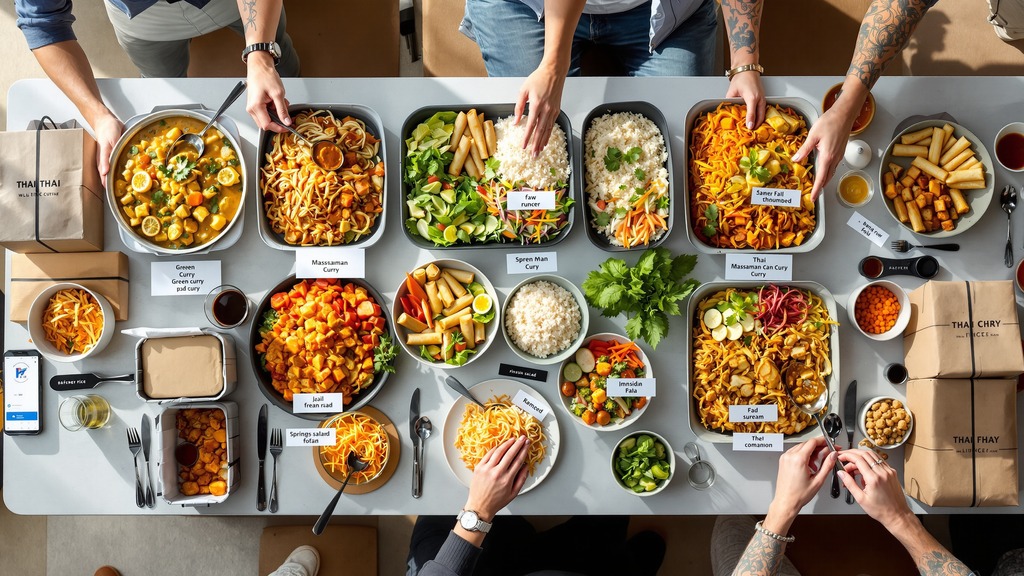
Planning a meal for 25 guests becomes easier when you build the menu around variety rather than ordering too many separate dishes. For an office lunch or home gathering, choose two curries, one noodle dish, one rice dish, one salad, and one snack or appetizer. This combination offers different textures and flavors while giving guests enough choice without creating unnecessary waste. A practical starting point is approximately 25 servings of rice, 20 to 25 servings of noodles, and 40 to 50 combined servings of curry, depending on whether curry is served as a main dish or shared alongside other entrées.
For a balanced group dining experience, select one mild curry, such as yellow or massaman, and one more aromatic option, such as green or red curry. Add pad Thai or another noodle favorite, jasmine rice, and a fresh papaya or cucumber salad. Spring rolls, chicken satay, or crispy tofu make convenient snacks. Laney Thai Kitchen’s catering packages can help hosts match guest quantities to shareable trays, making Thai catering approachable for office lunches, family meals, and community events.
Estimate Portions and Handle Dietary Needs Early
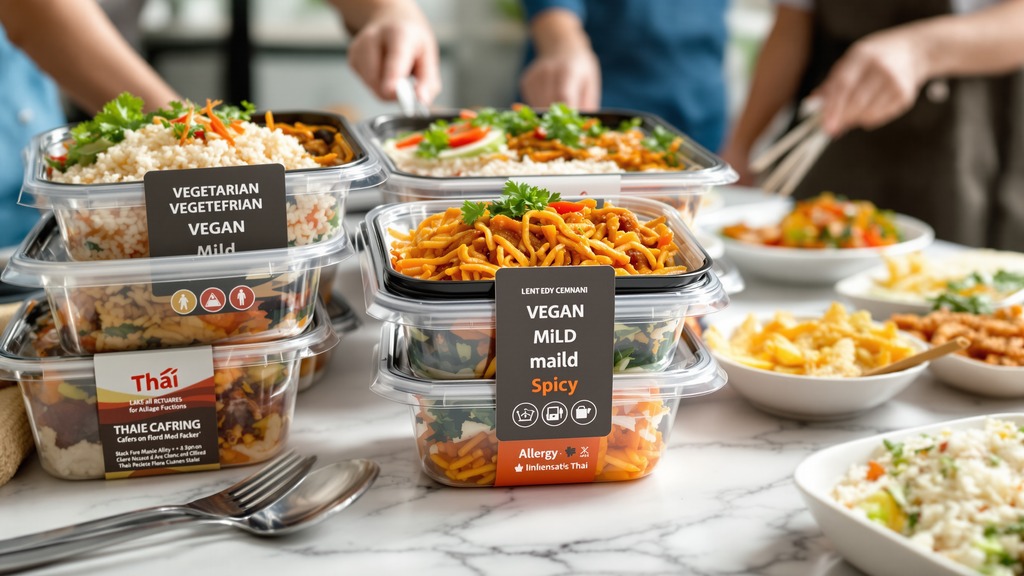
Portion planning should reflect how the meal will be served. For a buffet-style office lunch, assume each guest will sample several dishes, with about 1 to 1½ cups of total entrées per person, plus rice, noodles, salad, and snacks. Ordering a little extra is wise for popular dishes, but duplicating every item can quickly increase cost. Ask your caterer which foods are most filling and whether trays are sized by guest count or by individual portions. Clearly labeled containers also help guests move through the line quickly and reduce confusion.
Collect dietary information before placing the order. For 25 guests, create a simple list identifying vegetarian, vegan, gluten-sensitive, peanut-allergic, and other important needs. Request separate utensils and labels for specialty dishes, and ask how sauces, fish sauce, oyster sauce, eggs, and shared fryers affect dietary preferences. Spice levels deserve attention too: keep most dishes mild or medium, then provide chili flakes and sauces on the side. This makes group dining more inclusive without removing the bold flavors that make Thai catering appealing.
Coordinate Pickup, Setup, and Serving Times
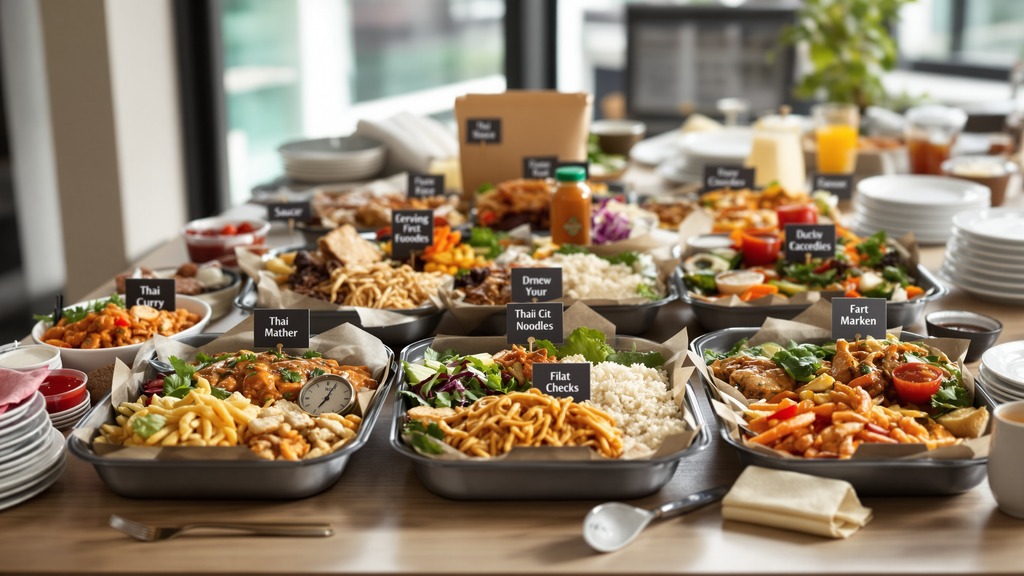
A reliable serving plan is just as important as the menu. Choose a pickup window that allows time for travel, setup, and unexpected delays—often 30 to 45 minutes before guests eat. When ordering from Laney Thai Kitchen, provide the event date, guest count, contact number, desired pickup time, and any building access instructions. For an office lunch, schedule pickup before the normal break begins so food can be arranged while it is still fresh. Confirm whether the order will be packed in labeled trays and whether plates, utensils, napkins, and serving spoons are included.
At the venue, place rice and noodles first, followed by curries, vegetables, salads, and snacks. Keep sauces and chili condiments at the end of the line, and reserve a separate area for vegetarian or allergy-sensitive dishes. Use warming equipment when appropriate, but avoid leaving perishable food at room temperature for extended periods. With clear labels, sensible portions, and a confirmed collection window, event meal planning becomes straightforward. The result is organized group dining that lets the host enjoy the gathering instead of managing every tray.